A Very Short Affair from William Breen on Vimeo.

Saturday, January 16, 2016
A Very Short Affair
From Brooklyn, New York filmmaker William Breen delivers us an enjoyable short film titled "A Very Short Affair". From the very beginning it's clear that the film is very inspired by Woody Allen and pays homage to Manhattan. But, as the film goes on there are also influences from the French New Wave movement. The first half of the short film is wonderfully cut together and makes great use of quick cuts, still frames, long shots, and even a beautiful still long take. The writing is fun and sharp and the main actor Preston Mulligan gives the character a lot of life. However, at least in my personal opinion the tail end of "A Very Short Affair" loses some of it's momentum. It relies too much on the performers to liven up the material and it's just not strong enough for that. The beautiful scenic shots and lively editing is gone and is replaced with a phone conversation that cuts back between to static medium shots. It's not bad, it just doesn't live up to the first half. But, you might think my opinion is a bunch bollocks, so check it out below and leave your thoughts in the comments.

Thursday, January 14, 2016
IRIS TRAILER
Well, I know its been some time (over a year) since I've posted on here, but now that my life has calmed down a bit, I'm going try to return to making regular posts and being more active.
My return comes with some big news. Back in February 2014, I posted about some short films that Christopher Steinberger had made that were leading up to his feature film Iris. After three years in the making Iris is finally going to have it's premiere and a trailer for the feature is finally here. Christopher Steinberger of Syracuse, NY was able to raise $7,000 dollars on Kickstarter to fund this action thriller. The trailer looks pretty stunning and I actually showed up as an extra for a scene in the film, so even more reason for you to seek this out to watch. Check out the trailer below and leave your thoughts in the comments!
My return comes with some big news. Back in February 2014, I posted about some short films that Christopher Steinberger had made that were leading up to his feature film Iris. After three years in the making Iris is finally going to have it's premiere and a trailer for the feature is finally here. Christopher Steinberger of Syracuse, NY was able to raise $7,000 dollars on Kickstarter to fund this action thriller. The trailer looks pretty stunning and I actually showed up as an extra for a scene in the film, so even more reason for you to seek this out to watch. Check out the trailer below and leave your thoughts in the comments!
Thursday, June 26, 2014
Top Picks of 2014 (so far)
With 2014 being half finished, I decided to make a list of my top 10 favorite 2014 films thus far. Granted, there is still many films that I regrettably missed and my list definitely reflects that. While some of these are serious contenders to be on the top of my list at the end of the year, others will shortly be knocked off as I see new films coming out and catch up on the ones I may have missed earlier on. I'll be counting down from 10 to 1.
10 - Neighbors (dir. Nicholas Stoller)
Now this is case and point of the fact that I just haven't seen all the movies I should have this year. However, I did really enjoy Neighbors. This studio comedy contained enough absurdity and weird bits to keep my interest and the performances were on-point. And I think at the end of the movie there is something to be said about learning to move on and accepting your current situation in life.
9 - Godzilla (dir. Gareth Edwards)
I had a tough time with this movie, simply because I wanted so bad to love it. I personally don't even fully know what I expected, but I was a bit let down. I am a huge fan of the 1954 Japanese Godzilla. It's simply one of the best monster movies period. I am also a huge fan of Gareth Edwards first film Monsters. A really unique low budget monster movie that features really great characters and some beautiful visuals. So my hope was that Gareth would be able to give us a 2014 Godzilla that contained the spirit of the original monster himself, along with human characters that I could really get to know and care about. I got about half of that. I'm not sure if a Hollywood version of Godzilla in the year 2014 could be handled any more faultless than he was for this movie. I mean, I could truly feel his presence in the theater. I'm pretty sure I was cheering during the battle scenes. However, everything else in the movie fell completely flat for me. I couldn't of been more disinterested in the characters and I thought there was a large waste of great talent. Not a huge of Aaron-Taylor Johnson either and I don't think he was a good lead. However, the thirty minutes that Godzilla is on screen was so much fun and that is why Godzilla is number 9 on my list.
8 - X-Men: Days of Future Past (dir. Bryan Singer)
It is extremely rare that a superhero movie will ever make my top 10 list. I'm just not that into superhero movies. The X-Men though, have always been an exception. I think that they are the most interesting and entertaining of the superhero movies, especially in the Marvel universe. X-Men: Days of Future Past exceeds on many levels, but mainly from it's great cast. I think that the actors chosen fit the roles perfectly and I am able to find myself engaged with them almost immediately. Dealing with a subject such as time travel, can too often become convoluted and distracting for the audience, because they are too busy trying to figure out the timeline of events. This movie skips all of that by making it very straight forward of how time works in the universe and how the future is affected by going back and changing events.
7 - The Grand Budapest Hotel (dir. Wes Anderson)
Wes Anderson gives us a black comedy that is very funny and yet sad. The tone of the movie almost depends on the audience you see it with. As expected there is an excellent ensemble cast in the movie, but Ralph Fiennes is truly superb and really stands out. You either like or don't like Wes Anderson's movies, I happen to like them.
6 - The Final Member (dir. Jonah Bekhor, Zach Math)
A documentary on the world's only penis museum and one man's pursuit in finishing his collection of mammal penises by finding the right human to donate his own. Absolutely hysterical and absurd, while also carrying a poignant theme on what it means to leave your mark or legacy.
5 - The Overnighters (dir. Jesse Moss)
There's so much I could say about The Overnighters, but none of my words would do it justice. What a roller coaster of a documentary. The turns it takes through out are not only surprising, but just truly and utterly affecting. This is going to be a contender for my end of year top 10 list for sure.
4 - Under the Skin (dir. Jonathan Glazer)
Beautiful, ambiguous, intense. This movie is on another level.
3 - Borgman (dir. Alex van Warmerdam)
What if evil came in a physical form and found it's way into your life unexpectedly and started turning everything around for you. Slowly taking over everything you once knew, until everything you had is no longer yours? Borgman is one of the most brilliant dark fairy tales I have ever seen. Hilarious, disturbing, and horrifying.
2 - Blue Ruin (dir. Jeremy Saulnier)
A very intense revenge thriller. Sounds pretty typical, but Blue Ruin handles revenge as something that one may not always want to do, but sometimes it has to be done.
1 - Only Lovers Left Alive (dir. Jim Jarmusch)
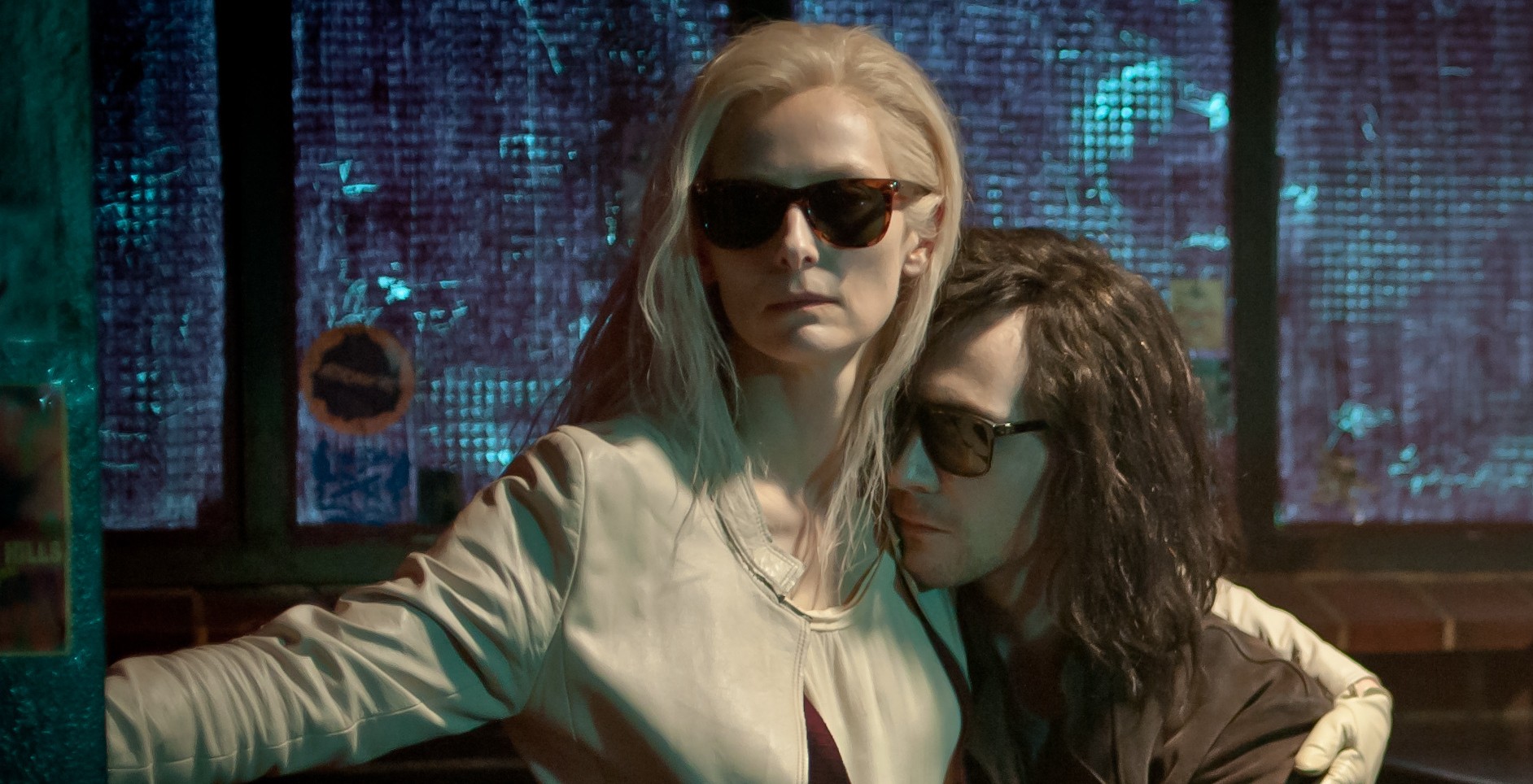
One of the greatest working directors Jim Jarmusch returns with one of the best and most unique vampire films in recent memory. With a fantastic lead cast, Tom Hiddleston and Tilda Swinton as a couple of misfit aging vampires, Only Lovers Left Alive is hilarious, smart, and poetic. By far my favorite film of the year and it's going to be a strong contender at the end of the year as well.

10 - Neighbors (dir. Nicholas Stoller)
Now this is case and point of the fact that I just haven't seen all the movies I should have this year. However, I did really enjoy Neighbors. This studio comedy contained enough absurdity and weird bits to keep my interest and the performances were on-point. And I think at the end of the movie there is something to be said about learning to move on and accepting your current situation in life.
9 - Godzilla (dir. Gareth Edwards)
I had a tough time with this movie, simply because I wanted so bad to love it. I personally don't even fully know what I expected, but I was a bit let down. I am a huge fan of the 1954 Japanese Godzilla. It's simply one of the best monster movies period. I am also a huge fan of Gareth Edwards first film Monsters. A really unique low budget monster movie that features really great characters and some beautiful visuals. So my hope was that Gareth would be able to give us a 2014 Godzilla that contained the spirit of the original monster himself, along with human characters that I could really get to know and care about. I got about half of that. I'm not sure if a Hollywood version of Godzilla in the year 2014 could be handled any more faultless than he was for this movie. I mean, I could truly feel his presence in the theater. I'm pretty sure I was cheering during the battle scenes. However, everything else in the movie fell completely flat for me. I couldn't of been more disinterested in the characters and I thought there was a large waste of great talent. Not a huge of Aaron-Taylor Johnson either and I don't think he was a good lead. However, the thirty minutes that Godzilla is on screen was so much fun and that is why Godzilla is number 9 on my list.
8 - X-Men: Days of Future Past (dir. Bryan Singer)
It is extremely rare that a superhero movie will ever make my top 10 list. I'm just not that into superhero movies. The X-Men though, have always been an exception. I think that they are the most interesting and entertaining of the superhero movies, especially in the Marvel universe. X-Men: Days of Future Past exceeds on many levels, but mainly from it's great cast. I think that the actors chosen fit the roles perfectly and I am able to find myself engaged with them almost immediately. Dealing with a subject such as time travel, can too often become convoluted and distracting for the audience, because they are too busy trying to figure out the timeline of events. This movie skips all of that by making it very straight forward of how time works in the universe and how the future is affected by going back and changing events.
7 - The Grand Budapest Hotel (dir. Wes Anderson)
Wes Anderson gives us a black comedy that is very funny and yet sad. The tone of the movie almost depends on the audience you see it with. As expected there is an excellent ensemble cast in the movie, but Ralph Fiennes is truly superb and really stands out. You either like or don't like Wes Anderson's movies, I happen to like them.
6 - The Final Member (dir. Jonah Bekhor, Zach Math)
A documentary on the world's only penis museum and one man's pursuit in finishing his collection of mammal penises by finding the right human to donate his own. Absolutely hysterical and absurd, while also carrying a poignant theme on what it means to leave your mark or legacy.
5 - The Overnighters (dir. Jesse Moss)
There's so much I could say about The Overnighters, but none of my words would do it justice. What a roller coaster of a documentary. The turns it takes through out are not only surprising, but just truly and utterly affecting. This is going to be a contender for my end of year top 10 list for sure.
4 - Under the Skin (dir. Jonathan Glazer)
Beautiful, ambiguous, intense. This movie is on another level.
3 - Borgman (dir. Alex van Warmerdam)
What if evil came in a physical form and found it's way into your life unexpectedly and started turning everything around for you. Slowly taking over everything you once knew, until everything you had is no longer yours? Borgman is one of the most brilliant dark fairy tales I have ever seen. Hilarious, disturbing, and horrifying.
2 - Blue Ruin (dir. Jeremy Saulnier)
A very intense revenge thriller. Sounds pretty typical, but Blue Ruin handles revenge as something that one may not always want to do, but sometimes it has to be done.
1 - Only Lovers Left Alive (dir. Jim Jarmusch)
One of the greatest working directors Jim Jarmusch returns with one of the best and most unique vampire films in recent memory. With a fantastic lead cast, Tom Hiddleston and Tilda Swinton as a couple of misfit aging vampires, Only Lovers Left Alive is hilarious, smart, and poetic. By far my favorite film of the year and it's going to be a strong contender at the end of the year as well.
Sunday, June 22, 2014
Attention Marvel
So you remember the post I shared about Watchworks studios and their short films leading up to the feature Iris, yes? Well, the team at Watchworks has produced their first non Iris universe short. It's actually a fan film that is trying to get Marvel's attention. Actor Nathan Faudree (one of the stars of Iris) wants to be cast as a villain in the new series Marvel is producing for Netflix. So this is his way of getting Marvel's attention and hopefully get an audition for the show. The short film is about the Marvel villain Killgrave. Well, we hope he gets his audition! Watch the short and let us know what you think!
Monday, May 12, 2014
"Transparency" Watch the Full Movie
Last summer I helped crew on my friend Anthony Mormile's film Transparency. If you have been following my blog, you may have seen the film already when I posted about the film being available for a limited time. However, the film is now available to watch in it's entirety, when ever you'd like. So if you haven't seen it or would just like to watch the film again, here it is. Enjoy.
Transparency from Anthony Mormile on Vimeo.
Transparency from Anthony Mormile on Vimeo.
Tuesday, May 6, 2014
"How to Build a Time Machine" Trailer
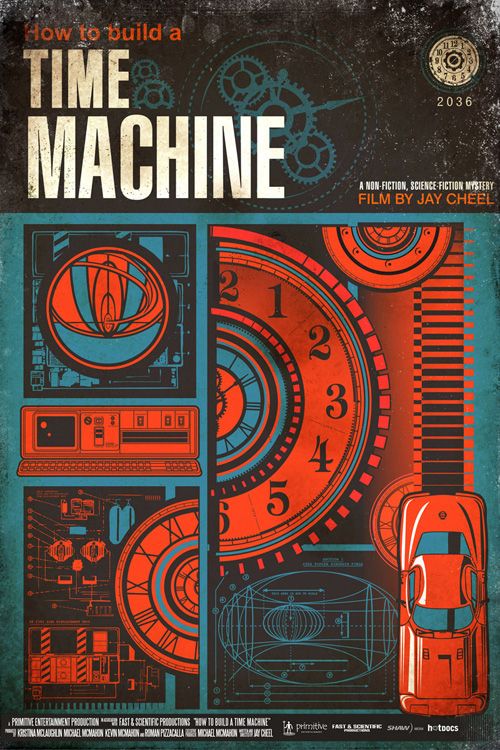
How to Build a Time Machine has been one of my most anticipated films since director Jay Cheel first announced it. It's his follow up to his 2011 film Beauty Day, which if you haven't seen, you should go onto Hulu and watch it right now.
As the production took off, it seems there has been some changes to the film's focus from it's original ideas. That is precisely why I love documentaries, how the journey ends can't be known until you reach it.
Now that a trailer is here, I can say that I'm even more jazzed to How to Build a Time Machine. From the trailer, I get the idea that it will be a compelling look into obsession, nostalgia, and mental acquisitiveness. For more updates on the film you can like it on it's Official Facebook Page. I hope you all enjoy the trailer as much as I did.
How to Build a Time Machine - Teaser from Jay Cheel on Vimeo.
Sunday, May 4, 2014
"Rashomon" and the Truth
An essay I wrote about Akira Kurosawa's murder mystery Rashomon. Enjoy.
Japanese master Akira Kurosawa released two films in the year 1950, Scandal and Rashomon. While both films are brilliant in their own respects, it is the latter of the two that achieved international acclaim and introduced Japanese cinema to the western world. Like many of his films, Rashomon explores the moral integrity of individuals and asks difficult questions about the nature of human behavior. In Rashomon, Kurosawa brilliantly constructs a non-linear narrative that is never once convoluted and shows the audience through the use of visuals that the truth told by humans is never objective.
In the film, an event is depicted through the use of flashbacks from the perspectives of four individuals. The first individual to tell his version of the events that took place is the bandit Tajômaru, played by frequent Kurosawa collaborator Toshirô Mifune. As Tajômaru recites his memories of what happened, the camera shows the audience the events unfold from his perspective. After drinking some water that makes Tajômaru feel sick, he decides to go rest by a tree in the forest. He is awakened by two people passing by: a samurai walking side by side with his wife, who sits gracefully atop a horse, her face hidden by a veil. The viewers attention is directed to what Tajômaru sees and is focused on the camera cutting from a close up of his eyes looking camera right to a close up of the woman's feet hanging from the horse. This shot is then quickly followed by the camera slowly panning up to her face. As the flashback of events continues, a pattern of editing is developed, cutting from close ups of Tajômaru's eyes to what he sees. At one point we see in the same shot the samurai and woman pass Tajômaru leaning against the tree, and the camera's motion tracks with the direction he turns his head as he watches them walk away. Through both the use of camera movement and editing, viewers are able to see events unfold from the perspective of the characters.
The ways in which the characters relate and relay an experience directly correlates with how they view themselves. Kurosawa frames the shots of the different characters flashbacks to match their disposition, revealing this to the audience through his artistic vision. The bandit Tajômaru is introduced as a haughty and prideful man. It is by no mistake that Kurosawa chose to open his flashback with an ultra expansive wide-shot of him riding bravely across the screen on the horse he has stolen. The width of the shot can be clearly linked to the character's own expansive ego. When the camera isn't directing the viewer to what Tajômaru is seeing, he is shown looking very masculine in medium and long shots, demonstrating to the audience how a person like him would imagine themselves. When the other character's recall their version of what happened, Kurosawa implements this same techniques to represent their own ego or lack thereof. Kurosawa is revealing to the audience the characters’ true personas.
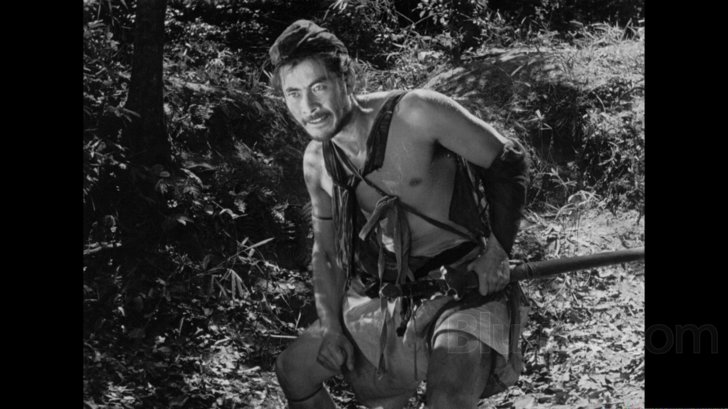
If one were to ask three different people who witnessed the same event to recall what they saw, they will invariably tell a different story. How humans see themselves and each other affects their perception of the world around them. Akira Kurosawa uses this idea when approaching the narrative for Rashomon, one of the most influential films of all time. The cleverly framed unreliable narration shows the same events four different times, but from a different character's perspective. Through the use of visuals, Kurosawa explores the subjectivity of truth and the individual’s tendency to lie in order to make himself appear better than he really is.

Subscribe to:
Posts (Atom)