
Sunday, June 22, 2014
Attention Marvel
So you remember the post I shared about Watchworks studios and their short films leading up to the feature Iris, yes? Well, the team at Watchworks has produced their first non Iris universe short. It's actually a fan film that is trying to get Marvel's attention. Actor Nathan Faudree (one of the stars of Iris) wants to be cast as a villain in the new series Marvel is producing for Netflix. So this is his way of getting Marvel's attention and hopefully get an audition for the show. The short film is about the Marvel villain Killgrave. Well, we hope he gets his audition! Watch the short and let us know what you think!

Monday, May 12, 2014
"Transparency" Watch the Full Movie
Last summer I helped crew on my friend Anthony Mormile's film Transparency. If you have been following my blog, you may have seen the film already when I posted about the film being available for a limited time. However, the film is now available to watch in it's entirety, when ever you'd like. So if you haven't seen it or would just like to watch the film again, here it is. Enjoy.
Transparency from Anthony Mormile on Vimeo.
Transparency from Anthony Mormile on Vimeo.
Tuesday, May 6, 2014
"How to Build a Time Machine" Trailer
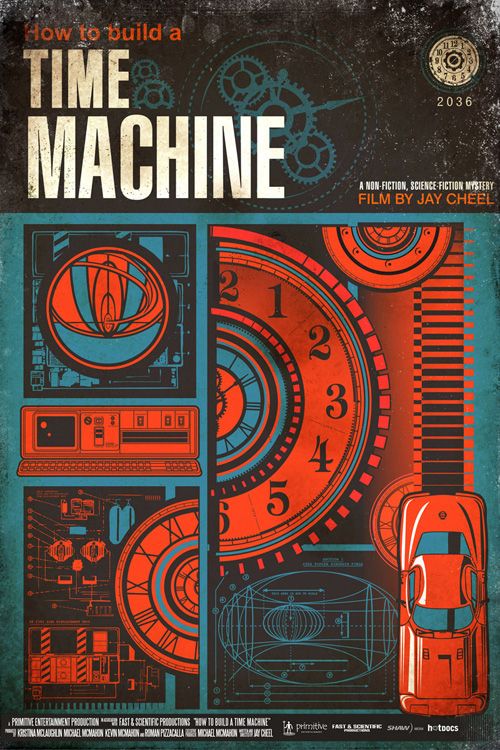
How to Build a Time Machine has been one of my most anticipated films since director Jay Cheel first announced it. It's his follow up to his 2011 film Beauty Day, which if you haven't seen, you should go onto Hulu and watch it right now.
As the production took off, it seems there has been some changes to the film's focus from it's original ideas. That is precisely why I love documentaries, how the journey ends can't be known until you reach it.
Now that a trailer is here, I can say that I'm even more jazzed to How to Build a Time Machine. From the trailer, I get the idea that it will be a compelling look into obsession, nostalgia, and mental acquisitiveness. For more updates on the film you can like it on it's Official Facebook Page. I hope you all enjoy the trailer as much as I did.
How to Build a Time Machine - Teaser from Jay Cheel on Vimeo.
Sunday, May 4, 2014
"Rashomon" and the Truth
An essay I wrote about Akira Kurosawa's murder mystery Rashomon. Enjoy.
Japanese master Akira Kurosawa released two films in the year 1950, Scandal and Rashomon. While both films are brilliant in their own respects, it is the latter of the two that achieved international acclaim and introduced Japanese cinema to the western world. Like many of his films, Rashomon explores the moral integrity of individuals and asks difficult questions about the nature of human behavior. In Rashomon, Kurosawa brilliantly constructs a non-linear narrative that is never once convoluted and shows the audience through the use of visuals that the truth told by humans is never objective.
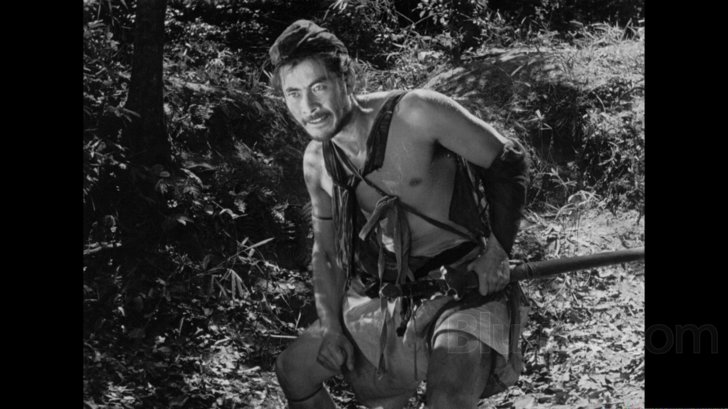
In the film, an event is depicted through the use of flashbacks from the perspectives of four individuals. The first individual to tell his version of the events that took place is the bandit Tajômaru, played by frequent Kurosawa collaborator Toshirô Mifune. As Tajômaru recites his memories of what happened, the camera shows the audience the events unfold from his perspective. After drinking some water that makes Tajômaru feel sick, he decides to go rest by a tree in the forest. He is awakened by two people passing by: a samurai walking side by side with his wife, who sits gracefully atop a horse, her face hidden by a veil. The viewers attention is directed to what Tajômaru sees and is focused on the camera cutting from a close up of his eyes looking camera right to a close up of the woman's feet hanging from the horse. This shot is then quickly followed by the camera slowly panning up to her face. As the flashback of events continues, a pattern of editing is developed, cutting from close ups of Tajômaru's eyes to what he sees. At one point we see in the same shot the samurai and woman pass Tajômaru leaning against the tree, and the camera's motion tracks with the direction he turns his head as he watches them walk away. Through both the use of camera movement and editing, viewers are able to see events unfold from the perspective of the characters.
The ways in which the characters relate and relay an experience directly correlates with how they view themselves. Kurosawa frames the shots of the different characters flashbacks to match their disposition, revealing this to the audience through his artistic vision. The bandit Tajômaru is introduced as a haughty and prideful man. It is by no mistake that Kurosawa chose to open his flashback with an ultra expansive wide-shot of him riding bravely across the screen on the horse he has stolen. The width of the shot can be clearly linked to the character's own expansive ego. When the camera isn't directing the viewer to what Tajômaru is seeing, he is shown looking very masculine in medium and long shots, demonstrating to the audience how a person like him would imagine themselves. When the other character's recall their version of what happened, Kurosawa implements this same techniques to represent their own ego or lack thereof. Kurosawa is revealing to the audience the characters’ true personas.
If one were to ask three different people who witnessed the same event to recall what they saw, they will invariably tell a different story. How humans see themselves and each other affects their perception of the world around them. Akira Kurosawa uses this idea when approaching the narrative for Rashomon, one of the most influential films of all time. The cleverly framed unreliable narration shows the same events four different times, but from a different character's perspective. Through the use of visuals, Kurosawa explores the subjectivity of truth and the individual’s tendency to lie in order to make himself appear better than he really is.

Tuesday, April 29, 2014
"Briarwood" Trailer
Awhile back I posted about a kickstarter campaign for the film Briarwood directed by Ryan Farmer. Well, the campaign was successfully funded and production is finished. Its supposed to available May 2014, which is next month. A teaser trailer was released and from the looks of it, we are looking at suspense thriller that's going to have lots of twists and turns throughout. I personally am very excited to see it for the visuals alone. The film was shot by my friend Kyle Crowell who is a fantastic cinematographer and Ryan Farmer seems to have a very strong sense of direction. You're definitely going to want to keep your eye out for future projects from both of them. Check out the trailer below and let us know what you think.
Briarwood Teaser Trailer from Ryan Farmer on Vimeo.
Wednesday, April 23, 2014
Criterion Pick: "A Man Escaped"
Anyone who knows me, knows that I am a huge champion of the Criterion Collection. As with many devout cinephiles, I am an avid Criterion collector. Right now, I would say my collection is rather modest, but it's growing. During my journey through the collection, I've come across some of the greatest films I've personally ever seen along with the most informative supplemental material. It is because of this that I've decided that I'm going to try to write about one film in the Criterion Collection biweekly. I hope you all enjoy.


A Man Escaped (1956) Directed by Robert Bresson

Robert Bresson's A Man Escaped is a film that is completely unburdened from what viewers expect from cinema. There is almost no added music for suspense, no surprises in the editing, very simple camera work, and the film stars only non actors. The film itself plays very straight. We simply watch the main character Fontaine, as he goes through his daily routine in the prison and looks for a way he can escape his cell. We see very little of anyone else in the film and when we do, there is very little added drama. There is no stereotypical evil or overly nice Nazi guard. The guards just exist- doing their job as they are told.
Please don't misunderstand me, I am not saying this film is boring. Far from it. I found it gripping in every sense of the word and the subject of the film alone forces you to care about what happens. We as an audience want Fontaine to escape, because if he doesn't he faces his imminent death. As we reach the climax, there is a moment in the film in which Fontaine has to take decisive action on a matter. Depending on he chooses to handle the situation - it will change everything, including how we as an audience will judge him. It's these moments in the film that a completely natural tension is created without any superfluous elements.
Everything in A Man Escaped is a matter of life or death. It's the small details that exist that draw the viewer in, despite the film being void of almost any cinematic flare.

Friday, April 11, 2014
Kenji Mizoguchi Retrospective
When speaking of master Japanese filmmakers two names always seem to appear Akira Kurosawa and Yasujirô Ozu. And for good reason, both of them had a huge influence on cinema internationally both at them time and years to follow. There is another filmmaker however, who is just as great and in some people's opinion has a stronger body of work. Kenji Mizoguchi, who is often considered one of the early "feminist" directors has made around 85 films, most of which, disappointingly are lost. His work that does remain though, is incredibly powerful and contains very human stories that are still just as poignant today.
It's been 20 years since there has been a retrospective of Mizoguchi's existing filmography in the United States until this year. From May 2nd to June 8th the Museum of Moving Image will be presenting his entire body of work that still exists on both 35mm and 16mm film prints. This is a great opportunity for those who are unfamiliar with this master filmmaker to delve into his body of work and witness his famous extended takes on the big screen. This is definitely something cinephiles in New York City will not want to miss and if you have the opportunity to travel to the city for this, it would be well worth it.
Here is the schedule:
May 3rd
2:00 PM - Sansho the Bailiff (1954) (preceded by a presentation from film scholar David Bordwell)
7:00 PM - Street of Shame (1956)
May 4th
2:00 PM - Song of Home (1925) (with live musical accompaniment by Makia Matsumara)
3:30 PM - Oyuki the Virgin (1935)
6:30 PM - Sisters of the Gion (1936)
May 9th
7:00 PM - Utamaro and His Five Women (1946)
May 10th
1:00 PM - Hometown (1930)
3:00 PM - White Threads of the Waterfall (1933)
4:30 PM - Miyamoto Musashi (1944)
6:00 PM - The Story of the Last Chrysanthemums (1939)
May 11th
2:00 PM - Hometown (1930)
4:00 PM - White Threads of the Waterfall (1933)
6:30 PM - Miyamoto Musashi (1944)
May 16th
7:00 PM - The Life of Oharu (1952)
May 17th
4:00 PM - The Downfall of Osen (1935)
6:30 PM - Straits of Love and Hate (1937)
May 18th
5:00 PM - Poppy (1935)
7:00 PM - Women of the Night (1948)
May 23rd
7:00 PM - A Geisha (1953)
May 24th
2:00 PM - The Famous Sword Bijomaru (1945)
4:00 PM - Portrait of Madame Yuki (1950)
7:00 PM - Osaka Elegy (1936)
May 25th
2:00 PM - The 47 Ronin (Part 1 & 2) (1941)
May 31st
5:00 PM - The Love of Sumako, the Actress (1947)
7:00 PM - Miss Oyu (1951)
June 1st
2:00 PM - The Crucified Lovers (1954)
4:30 PM - Victory of Women (1946)
7:00 PM - My Love Burns (1949)
June 6th
7:00 PM - Princess Yang Kwei-fei (1955)
June 7th
5:00 PM - The Lady of Musashino (1951)
7:00 PM - The Woman of the Rumor (1954)
June 8th
2:00 PM - Tales of the Taira (1955)
For more information visit Museum of Moving Image

It's been 20 years since there has been a retrospective of Mizoguchi's existing filmography in the United States until this year. From May 2nd to June 8th the Museum of Moving Image will be presenting his entire body of work that still exists on both 35mm and 16mm film prints. This is a great opportunity for those who are unfamiliar with this master filmmaker to delve into his body of work and witness his famous extended takes on the big screen. This is definitely something cinephiles in New York City will not want to miss and if you have the opportunity to travel to the city for this, it would be well worth it.
Here is the schedule:
May 3rd
2:00 PM - Sansho the Bailiff (1954) (preceded by a presentation from film scholar David Bordwell)
7:00 PM - Street of Shame (1956)
May 4th
2:00 PM - Song of Home (1925) (with live musical accompaniment by Makia Matsumara)
3:30 PM - Oyuki the Virgin (1935)
6:30 PM - Sisters of the Gion (1936)
May 9th
7:00 PM - Utamaro and His Five Women (1946)
May 10th
1:00 PM - Hometown (1930)
3:00 PM - White Threads of the Waterfall (1933)
4:30 PM - Miyamoto Musashi (1944)
6:00 PM - The Story of the Last Chrysanthemums (1939)
May 11th
2:00 PM - Hometown (1930)
4:00 PM - White Threads of the Waterfall (1933)
6:30 PM - Miyamoto Musashi (1944)
May 16th
7:00 PM - The Life of Oharu (1952)
May 17th
4:00 PM - The Downfall of Osen (1935)
6:30 PM - Straits of Love and Hate (1937)
May 18th
5:00 PM - Poppy (1935)
7:00 PM - Women of the Night (1948)
May 23rd
7:00 PM - A Geisha (1953)
May 24th
2:00 PM - The Famous Sword Bijomaru (1945)
4:00 PM - Portrait of Madame Yuki (1950)
7:00 PM - Osaka Elegy (1936)
May 25th
2:00 PM - The 47 Ronin (Part 1 & 2) (1941)
May 31st
5:00 PM - The Love of Sumako, the Actress (1947)
7:00 PM - Miss Oyu (1951)
June 1st
2:00 PM - The Crucified Lovers (1954)
4:30 PM - Victory of Women (1946)
7:00 PM - My Love Burns (1949)
June 6th
7:00 PM - Princess Yang Kwei-fei (1955)
June 7th
5:00 PM - The Lady of Musashino (1951)
7:00 PM - The Woman of the Rumor (1954)
June 8th
2:00 PM - Tales of the Taira (1955)
For more information visit Museum of Moving Image

Subscribe to:
Posts (Atom)